
History of Art
Art History, Contemporary Art, and the Future of Art
Finding answers to questions about art, architecture, and urban planning within their historical context defines the self-conception of the Art History research area at the Faculty of Architecture and Planning at TU Wien. In our research area, the concept of art is broadly defined. The genres of architecture, painting, and sculpture, which dominated in the 19th century—when the discipline of art history was established at universities and colleges—have since been continuously expanded to include other areas of art. The staff of the Art History research area think, teach, and conduct research holistically and, ideally, inter- and transdisciplinarily. We do not see history as a rigid construct, but rather as an ongoing phenomenon of time that continuously influences both the present and the future.
The scholarly activities of the Art History research area have an impact on society. The team anchors the discipline of art history, with a focus on the history of architecture and urban planning as well as the history of photography, within the Austrian higher education and research landscape and contributes to the national and international discourse on architecture and art history.
Art History as a School of Seeing
In the field of art history research, students of architecture and other spatial disciplines acquire specialized and methodological knowledge about works of all genres of art, architecture, and urban planning. We place particular emphasis on developing a comprehensive sensitivity to historical objects. Therefore, observing original objects—outside the university setting—is essential for a holistic, and thus also sensory, experience of the elements that shape space: the haptic qualities of surfaces, the diversity of materials, as well as acoustic and other atmospheric aspects. All of this is considered within the context of the works' embedding in their respective historical contexts, their creation and reception, as well as their presence and impact today.
One focus of study is Europe. In addition to the two-semester core lecture course in architectural and art history, further courses also examine artistic production beyond our continent—both before, during, and after the colonial periods.
The field of art history research helps our graduates develop the ability to engage with complex issues in a nuanced way and to form their own critical opinions. For their professional lives after university, we lay the necessary foundations and provide the tools to enable our students to succeed in various professional fields, particularly with a knowledge of the history of art and its artifacts.
Art History is Socially Relevant
Our focus is on established narratives of masters and expands this canon to include artists and works that have not previously been part of it. The topics we address concern the relationship between historical works and artifacts and their sustainable preservation – very much in line with current discussions about identity formation, cultural heritage, resource conservation, the climate crisis, and other related issues.
In a city rich in outstanding historical evidence of art, architecture, and urban planning, the art history research area places a strong emphasis on exploring previously neglected fields. This aims to close gaps within architectural and art historical research – whether at the local, regional, or national level.
We consider it essential to ask critical questions within our research area and to reflect on and respond to the pressing challenges posed by current crises. We view research as an opportunity to be heard and visible in national and international academic discourse. Furthermore, we see our work as a service to society, contributing to the development of knowledge about historical artifacts and buildings. Our activities always look to the future, but always with an awareness of what is essential and relevant from our past.
Art History for Raising Awareness
Head of Research Unit & Professorship
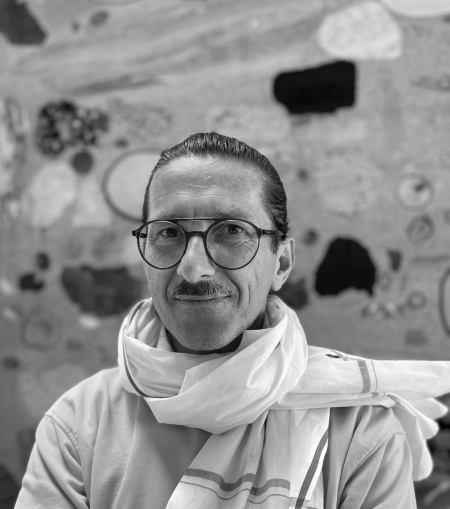
E251-03 History of Art
(Professorship from October 1st, 2023)